Ventura Interior Design Tips: How to Balance Minimalism with Comfort sets the stage for this enthralling narrative, offering readers a glimpse into a story that is rich in detail with a casual formal language style and brimming with originality from the outset.
Exploring the essence of minimalism in interior design, the importance of comfort, color and texture choices, and maximizing functionality in minimalist spaces will be the focus of this engaging discussion.
Understanding Minimalism in Interior Design
 Minimalism in interior design is a design style characterized by simplicity, clean lines, and a focus on functionality. The goal of minimalism is to create a space that feels open, uncluttered, and calming by eliminating unnecessary elements and emphasizing essential features.
Core Elements of Minimalism
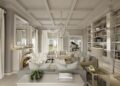
- Neutral Color Palette: Minimalist spaces often feature a neutral color scheme, such as whites, creams, grays, and earth tones, to create a sense of tranquility and cohesion.
- Clean Lines: Furniture and decor in minimalist interiors have simple, straight lines without ornate details or excessive embellishments.
- Functional Furniture: Every piece of furniture serves a purpose in a minimalist space, with a focus on practicality and efficiency.
- Empty Space: Minimalist design embraces negative space to allow the eye to rest and create a sense of openness and airiness.
- Mindful Decoration: Decor items in minimalist interiors are carefully chosen for their visual impact and functionality, with an emphasis on quality over quantity.
Examples of Minimalist Design Principles in Interior Spaces
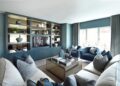
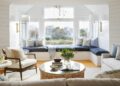
"Less is more" is a key principle in minimalist design, where simplicity and functionality take precedence over excess and clutter. For example, a living room with a sleek sofa, a coffee table, and a few carefully selected decor items can embody minimalist aesthetics while still feeling inviting and comfortable.
Incorporating Comfort into Minimalist Design
When it comes to interior design, comfort plays a crucial role in creating a space that is not only visually appealing but also functional and inviting. Incorporating comfort into minimalist design can be a delicate balance, but it is essential for creating a space that feels cozy and livable.
The Importance of Comfort in Interior Design
Comfort is key in interior design as it affects how we feel and interact with our surroundings on a daily basis. By incorporating elements of comfort into minimalist spaces, you can create a harmonious environment that promotes relaxation and well-being.
Strategies for Adding Comfort to Minimalist Spaces
- Soft textures: Incorporate plush rugs, cozy throws, and comfortable cushions to add warmth and softness to minimalist spaces.
- Layered lighting: Use a combination of ambient, task, and accent lighting to create a cozy atmosphere and enhance the functionality of the space.
- Functional furniture: Choose furniture pieces that are not only sleek and minimalist in design but also comfortable and practical for everyday use.
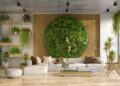
- Natural elements: Bring in elements of nature such as plants, wood, and stone to add warmth and a sense of tranquility to minimalist interiors.
Examples of Furniture or Decor that Balance Comfort with Minimalism
- Low-profile sofas with plush cushions
- Cozy armchairs in neutral tones
- Soft, textured area rugs
- Oversized floor pillows for additional seating
Choosing Colors and Textures
When it comes to balancing minimalism with comfort in interior design, choosing the right colors and textures is crucial. The color palette and textures you select can greatly impact the overall feel of a space, determining whether it feels stark and cold or warm and inviting.Color Palettes Impact
Color palettes play a significant role in setting the tone for a minimalist space. Opt for neutral tones like whites, grays, and beiges to maintain a clean and simple lookRole of Textures
Textures are key in adding depth and coziness to a minimalist interior. Consider mixing different textures like plush rugs, cozy throws, and tactile fabrics to create visual interest and a sense of warmth. Incorporating materials like wood, wool, and natural fibers can bring a tactile element to the space, making it feel more inviting and comfortable.Tips for Selection
- Balance neutral colors with warm accent hues to create a cozy atmosphere.
- Experiment with different textures to add depth and visual interest to the space.
- Avoid overwhelming the space with too many colors or textures; keep it simple and cohesive.
- Consider the natural light in the room when selecting colors and textures to ensure they complement each other well.
Maximizing Functionality in Minimalist Design
In minimalist design, maximizing functionality is crucial to ensure that the space remains practical and comfortable while maintaining its clean aesthetic. By incorporating multi-functional furniture pieces and implementing smart organization solutions, you can strike a balance between minimalism and comfort.Multi-Functional Furniture Pieces
Utilizing furniture that serves multiple purposes is key in minimalist interiors. Opt for pieces like storage ottomans, sofa beds, or extendable dining tables that can adapt to different needs without taking up extra space. This not only enhances the functionality of the room but also adds a layer of comfort by providing versatility.Decluttering and Organizing Tips
To maintain the minimalist look and feel while ensuring comfort, decluttering and organizing are essential. Invest in storage solutions like hidden cabinets, wall-mounted shelves, or multi-tiered trays to keep items out of sight but easily accessible. Regularly assess and edit your belongings to prevent overcrowding and maintain a sense of openness in the space.Optimizing Layout and Traffic Flow
Consider the flow of movement within the space when arranging furniture. Allow for clear pathways and avoid cluttering high-traffic areas to promote a sense of ease and functionality. Keep the layout simple and purposeful, focusing on the essentials to create a harmonious balance between minimalism and comfort.Outcome Summary
In conclusion, Ventura Interior Design Tips: How to Balance Minimalism with Comfort provides a comprehensive guide to achieving harmony between minimalism and comfort in interior spaces. With practical strategies and creative insights, anyone can create a stylish yet cozy living environment.
Detailed FAQs
How can minimalism be defined in interior design?
Minimalism in interior design focuses on simplicity, clean lines, and a clutter-free environment, emphasizing functionality and a sense of calm.
Why is comfort important in minimalist design?
Comfort is crucial in minimalist design to ensure that spaces remain inviting and livable, balancing the sleek aesthetic with warmth and coziness.
How do colors and textures impact the balance between minimalism and comfort?
Colors and textures play a vital role in creating a harmonious blend between minimalism and comfort, with soothing tones and tactile elements enhancing the overall feel of a space.
What are some tips for decluttering and organizing in minimalist design?
To maintain a balance between minimalism and comfort, focus on decluttering regularly, utilizing storage solutions, and keeping only essential items visible.