
Exploring the intricacies of zoning laws and permits in major global cities with RWE Design Build at the helm sets the stage for a fascinating journey. Dive into a world where construction meets regulations, unveiling the challenges and triumphs along the way.
Delve deeper into the nuances of navigating zoning laws and permits, discovering the strategies and insights that pave the path for successful projects.
Understanding Zoning Laws
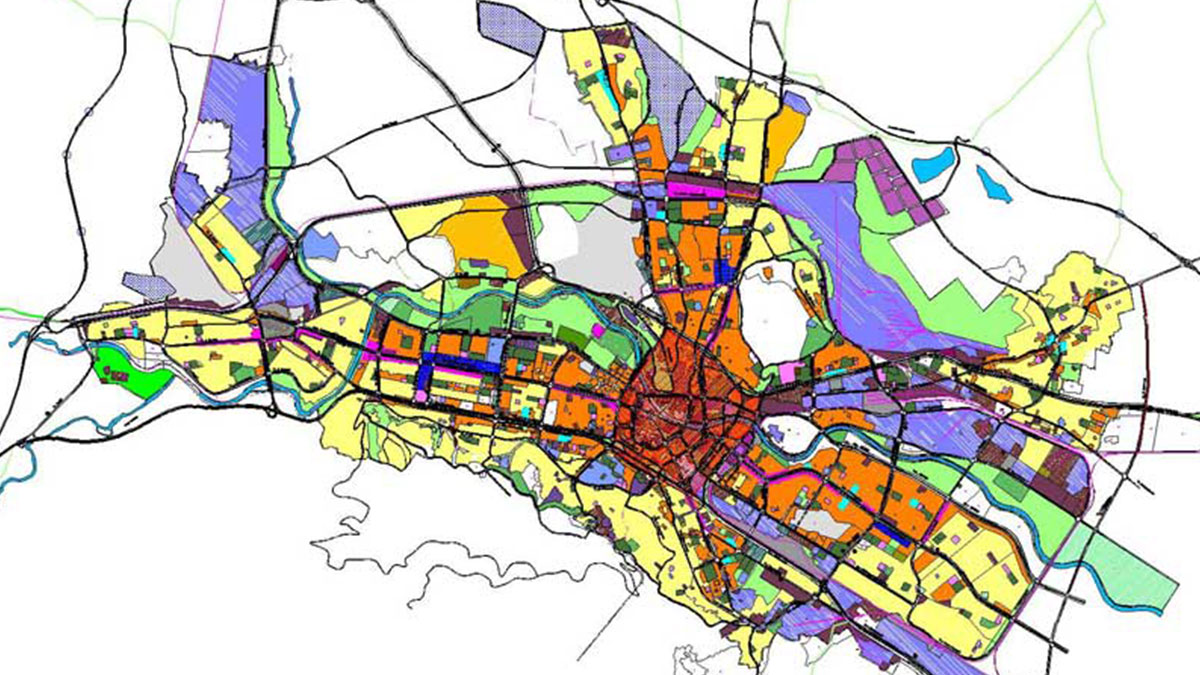
Zoning laws play a crucial role in construction projects as they regulate land use, building size, and the types of structures that can be built in specific areas. By adhering to zoning laws, developers ensure that their projects are in compliance with the designated land use and development regulations set by local authorities.
Types of Zoning Regulations in Major Global Cities
- Residential Zoning: This type of zoning is designated for housing purposes, regulating the construction of single-family homes, apartments, and other residential structures.
- Commercial Zoning: Commercial zones are allocated for businesses, retail stores, offices, and other commercial activities to ensure proper land use separation.
- Industrial Zoning: Industrial zones are reserved for factories, warehouses, manufacturing plants, and other industrial operations to prevent conflicts with residential or commercial areas.
- Mixed-Use Zoning: Some cities have mixed-use zones that allow for a combination of residential, commercial, and industrial activities within the same area.
Impact of Violating Zoning Laws on a Construction Project
Violating zoning laws can have serious consequences for a construction project, including fines, stop-work orders, forced demolition, and legal disputes. Non-compliance with zoning regulations can result in delays, increased costs, and reputational damage for developers.
Navigating Zoning Laws
Navigating zoning laws in major global cities can be a complex and challenging process. However, with the right strategies and tips, you can successfully navigate through the regulations and obtain the necessary permits efficiently.Strategies for Navigating Zoning Laws
- Research and understand the zoning regulations in the specific city where you plan to develop or build.
- Hire a professional architect or zoning consultant who is familiar with the local laws and can help guide you through the process.
- Engage with the local community and stakeholders to gain their support and address any concerns they may have.
- Prepare a comprehensive development plan that complies with the zoning laws and regulations to streamline the approval process.
Comparison of Zoning Application Process
| City | Zoning Application Process |
|---|---|
| New York City | Requires detailed project plans, public hearings, and approvals from multiple agencies. |
| London | Emphasizes on architectural design, environmental impact assessments, and community consultations. |
| Tokyo | Focuses on earthquake resistance, building height restrictions, and urban planning considerations. |
Tips for Obtaining Necessary Permits Efficiently
- Start the permit application process early to account for potential delays and revisions.
- Ensure all required documents and forms are accurately completed and submitted in a timely manner.
- Communicate regularly with the zoning officials and respond promptly to any inquiries or requests for additional information.
- Consider hiring a permit expediter or consultant to navigate the permit process and ensure compliance with all regulations.
Compliance with Zoning Laws
Ensuring compliance with zoning laws is a crucial aspect of the design-build process in major global cities. Failure to adhere to these regulations can lead to costly delays, fines, or even the halting of the project. It is essential for architects, engineers, and builders to work together seamlessly to navigate the complexities of zoning laws and obtain the necessary permits.Steps for Ensuring Compliance
- Research Zoning Regulations: Conduct a thorough review of the local zoning ordinances to understand the specific requirements for the project location.
- Engage with Zoning Officials: Communicate with the local zoning authorities to clarify any uncertainties and ensure compliance with the regulations.
- Collaborate with Design Team: Architects and engineers must work closely together to develop a design that meets zoning requirements while fulfilling the project's objectives.
- Submit Comprehensive Permit Applications: Prepare and submit detailed permit applications that address all zoning regulations to expedite the approval process.
- Monitor Construction Progress: Regularly monitor the construction activities to ensure continued compliance with zoning laws throughout the project.
Role of Architects, Engineers, and Builders
- Architects: Responsible for designing structures that meet zoning regulations, including setbacks, height restrictions, and land use requirements.
- Engineers: Ensure that the technical aspects of the design, such as structural integrity and utility connections, comply with zoning laws.
- Builders: Implement the design plans while adhering to zoning regulations during the construction phase of the project.
Challenges in Adhering to Zoning Laws
- Varied Regulations: Zoning laws can vary significantly between different cities, making it challenging to stay updated and comply with the specific requirements of each location.
- Changing Regulations: Zoning ordinances may undergo revisions or updates, requiring the project team to adapt quickly to ensure ongoing compliance.
- Community Opposition: Sometimes, community members may oppose a project based on zoning concerns, leading to additional hurdles in obtaining necessary approvals.
- Cost Implications: Modifications to the design or construction process to comply with zoning laws can incur additional costs and impact the project budget.
Impact of Zoning Laws on Design Build Projects

When it comes to design build projects, zoning laws play a crucial role in shaping the overall outcome of the construction. These laws dictate how land can be used, what types of buildings can be constructed, and where they can be located.
How Zoning Laws Affect the Design Phase of a Project
Zoning laws heavily influence the design phase of a project as they determine the allowable land use, building height, setbacks, and other restrictions. Designers and architects need to ensure that their plans comply with these regulations to obtain the necessary permits for construction.
How Zoning Laws Influence the Selection of Construction Materials and Techniques
Due to zoning laws, the selection of construction materials and techniques is also impacted. For example, if a zoning ordinance requires certain aesthetic standards or limits on building height, architects may need to choose specific materials or construction methods to meet these requirements.
Role of Sustainability Practices in Meeting Zoning Requirements
Sustainability practices have become increasingly important in meeting zoning requirements. Many cities now have green building codes and incentives for sustainable design. Design build projects that incorporate sustainable features such as energy-efficient systems or green roofs can often receive expedited permitting or other benefits.
Conclusion
As we draw the curtain on this exploration of zoning laws and permits, the complexities and importance of compliance come to light. Reflect on the impact of regulations on design-build projects and the crucial role they play in shaping our urban landscapes.
Expert Answers
What are the consequences of violating zoning laws?
Violating zoning laws can lead to costly delays, fines, or even halting of construction projects. It's crucial to adhere to regulations to avoid such setbacks.
How can architects assist in ensuring compliance with zoning laws?
Architects play a key role in designing structures that align with zoning regulations, ensuring that the proposed plans meet all necessary requirements set forth by the law.
What is the significance of sustainability practices in meeting zoning requirements?
Sustainability practices not only contribute to environmental conservation but also play a vital role in meeting zoning requirements that emphasize eco-friendly construction methods and materials.