Embark on a journey with RWE Design Build Case Studies: Transforming Industrial Shells into Creative Hubs. Explore the innovative transformations and inspiring designs that breathe new life into industrial spaces, turning them into vibrant creative hubs.
Overview of RWE Design Build Case Studies
RWE Design Build specializes in the transformation of industrial shells into vibrant creative hubs that breathe new life into old structures. This innovative approach involves repurposing existing buildings to serve a new function while preserving their historical and architectural integrity.
Adaptive reuse in architectural design is a sustainable and cost-effective way to revitalize underutilized spaces, reduce waste, and contribute to the preservation of cultural heritage. By reimagining industrial shells as creative hubs, RWE Design Build showcases the potential for creativity and innovation within existing structures.
Examples of Successful Transformations by RWE Design Build
- Conversion of an old factory into a modern co-working space, preserving the industrial charm while incorporating contemporary design elements.
- Transformation of a warehouse into a dynamic art gallery, showcasing the adaptive reuse of industrial spaces for cultural purposes.
- Renovation of a historic mill into a mixed-use development, blending residential, commercial, and recreational spaces within the existing structure.
Industrial Shell Transformation Process
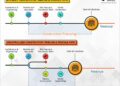
 In converting industrial spaces into creative hubs, RWE Design Build follows a detailed process to ensure a successful transformation that meets the client's needs and vision.
Assessment and Planning
Before beginning any transformation project, RWE Design Build conducts a thorough assessment of the industrial shell. This includes evaluating the existing structure, layout, and potential challenges that may arise during the conversion process. A detailed plan is then developed, taking into account the client's requirements and desired outcome.Structural Modifications
One of the key steps in transforming industrial shells is making structural modifications to accommodate the new design. This may involve adding or removing walls, creating new openings for windows or doors, or reinforcing the existing structure to support additional features.Mechanical and Electrical Upgrades
To ensure the space is functional and efficient, RWE Design Build incorporates necessary mechanical and electrical upgrades during the transformation process. This may include installing HVAC systems, upgrading lighting fixtures, or reconfiguring electrical wiring to meet the needs of the new space.Interior Design and Finishes
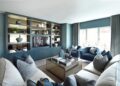
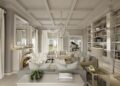
The interior design and finishes play a crucial role in transforming an industrial shell into a creative hub. RWE Design Build focuses on creating a cohesive and inspiring environment that reflects the client's brand and enhances productivity. This may involve selecting appropriate color schemes, materials, and furnishings to bring the space to life.Integration of Technology
Innovative design solutions are utilized by RWE Design Build to integrate technology seamlessly into the transformed space. This may include smart lighting systems, audiovisual equipment, or digital displays that enhance the functionality and user experience of the creative hub.Challenges Faced
Throughout the transformation process, RWE Design Build may encounter various challenges such as structural limitations, budget constraints, or unforeseen issues with the existing building. However, by leveraging their expertise and experience, they are able to overcome these challenges and deliver a successful project.Innovative Design Solutions
RWE Design Build employs innovative design solutions to address the unique requirements of each industrial shell transformation project. This may involve implementing sustainable practices, using creative spatial layouts, or incorporating cutting-edge technologies to create a one-of-a-kind creative hub.Creative Hub Design Elements
 In the transformation of industrial shells into creative hubs, certain key design elements play a crucial role in enhancing both functionality and aesthetics while fostering a collaborative and inspiring environment.
Sustainable Design Integration
Sustainability is a core principle in RWE Design Build's approach to creative hub designAdaptive Reuse of Space
One key design element is the adaptive reuse of space within industrial shells. This involves repurposing existing structures and features to create dynamic and multifunctional spaces that can accommodate various activities and functions. By preserving the character of the industrial shell while adding modern design elements, a unique and inspiring environment is created for occupants.Collaborative Workspaces
Creating collaborative workspaces is essential in fostering a sense of community and innovation within creative hubs. This design element often includes open floor plans, shared amenities, and flexible furniture arrangements that encourage interaction and idea exchange among occupants. By designing spaces that facilitate collaboration, creative hubs become hubs of creativity and productivity.Integration of Natural Light
Another important design element is the integration of natural light. By maximizing the use of windows, skylights, and other openings, creative hubs can harness natural light to create a bright and inviting atmosphere. Natural light not only enhances the aesthetics of the space but also has been shown to improve mood, productivity, and overall well-being of occupants.Interactive and Inspirational Art Installations
Incorporating interactive and inspirational art installations is a design element that adds a unique and creative touch to these spaces. Whether through murals, sculptures, or digital art, these installations serve as focal points that spark creativity, inspire innovation, and create a visually stimulating environment. By integrating art into the design of creative hubs, a sense of identity and purpose is infused into the space, making it truly one-of-a-kind.Impact of Transforming Industrial Shells
Industrial shell transformation projects led by RWE Design Build have far-reaching impacts on the economy, society, and the environment. Repurposing these buildings not only brings new life to neglected structures but also generates numerous benefits for the communities involved.Economic Benefits
Repurposing industrial shells into creative hubs can stimulate economic growth by attracting businesses, entrepreneurs, and investors to the area. This influx of activity creates job opportunities, boosts property values, and drives local spending. Additionally, the renovation of these buildings often leads to increased tax revenue for the community.Social Benefits
By transforming industrial shells into vibrant spaces for creativity and collaboration, RWE Design Build's projects can foster a sense of community and belonging. These hubs provide a platform for artists, designers, and innovators to come together, share ideas, and inspire one another. The revitalization of these spaces can also enhance the quality of life for residents, offering new cultural and recreational opportunities.Environmental Benefits
Converting industrial buildings into creative hubs promotes sustainability by repurposing existing structures rather than constructing new ones. This approach reduces the environmental impact of construction materials and minimizes waste. Additionally, the adaptive reuse of these buildings can contribute to the preservation of historical and architectural heritage in the community.End of Discussion
In conclusion, RWE Design Build's projects showcase the power of adaptive reuse and creative design in revitalizing communities and spaces. Dive into the world of transformed industrial shells and witness the lasting impact of these innovative projects.
Essential Questionnaire
What is the concept behind transforming industrial shells into creative hubs?
The concept involves repurposing existing industrial structures into functional and aesthetically pleasing spaces that foster creativity and collaboration.
How does RWE Design Build incorporate sustainability practices in their designs?
RWE Design Build integrates sustainable materials, energy-efficient solutions, and green building practices to ensure their projects have minimal environmental impact.
What are some examples of successful transformations by RWE Design Build?
Examples include the conversion of old warehouses into modern offices, factories into creative studios, and industrial plants into community spaces.