How to Choose the Best Smart Home System with Security Features sets the stage for this enthralling narrative, offering readers a glimpse into a story that is rich in detail and brimming with originality from the outset.
Exploring the key factors to consider, such as security features, compatibility, remote monitoring, and expandability, will guide you in making an informed decision for your smart home system.
Factors to Consider
When choosing a smart home system with security features, it is crucial to consider key factors that can help protect your data and privacy. Here are some important security features to look for in a smart home system:
Encryption
Encryption plays a vital role in ensuring the security of your data within a smart home system. It involves encoding information in such a way that only authorized parties can access it. Look for smart home systems that offer end-to-end encryption to safeguard your sensitive information from unauthorized access.
Secure Authentication
A reliable smart home system should provide secure authentication methods to verify the identity of users and prevent unauthorized access. Features like two-factor authentication and biometric recognition can add an extra layer of security to your smart home system.
Secure Communication Protocols
Ensure that the smart home system you choose uses secure communication protocols to transmit data between devices. Protocols like SSL/TLS can help protect your data from interception and ensure secure communication within your smart home network.
Regular Software Updates
Regular software updates are essential to keep your smart home system secure and up-to-date. Choose a system that provides frequent updates to patch security vulnerabilities and improve overall system security.By considering these key security features, you can select a smart home system that prioritizes the protection of your data and ensures a secure connected environment for your home.
Compatibility and Integration
When choosing a smart home system with security features, compatibility and integration with other devices play a crucial role in ensuring a seamless and interconnected experience.
Significance of Compatibility
Compatibility is essential as it allows different smart devices to communicate and work together effectively within your smart home ecosystem. This means that your smart security system should be able to integrate with various other devices such as smart lights, smart locks, thermostats, and cameras.
Examples of Smart Home Devices
- Smart Lights: Devices like Philips Hue or LIFX bulbs should integrate with your chosen smart home system to enable lighting automation.
- Smart Locks: Brands like August or Yale should seamlessly work with your smart home system to enhance security features.
- Thermostats: Nest or Ecobee thermostats should be compatible to allow for temperature control integration.
- Cameras: Security cameras from Arlo or Ring should integrate for comprehensive surveillance capabilities.
Benefits of Voice Assistant Integration
Opting for a smart home system that offers integration with popular voice assistants like Amazon Alexa or Google Assistant can greatly enhance the convenience and accessibility of controlling your smart devices. With voice commands, you can easily manage your security system, adjust settings, and receive alerts hands-free, making your smart home experience more user-friendly.
Remote Monitoring and Alerts
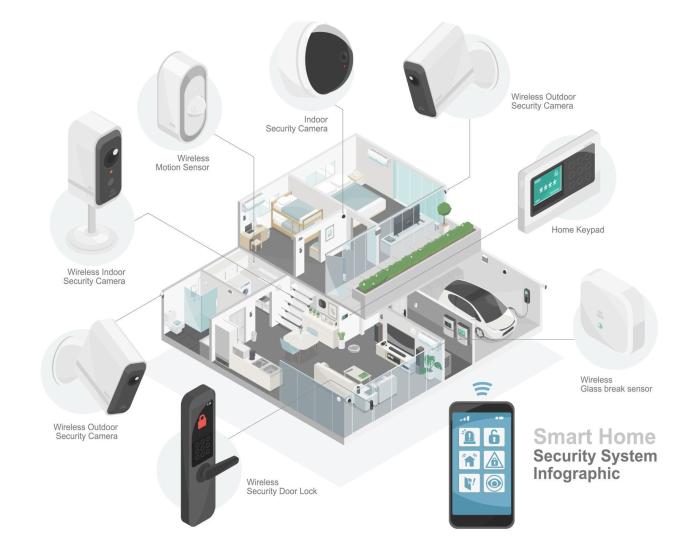
Remote monitoring features play a crucial role in enhancing the security of a smart home system. By allowing homeowners to keep an eye on their property from anywhere at any time, these features provide a sense of reassurance and peace of mind.
Importance of Remote Monitoring
- Remote monitoring allows homeowners to check on their property even when they are away, ensuring that everything is safe and secure.
- It enables immediate action in case of any suspicious activity, such as unauthorized entry or unusual movements.
- With remote monitoring, users can verify alarms and alerts, reducing false alarms and ensuring a prompt response to genuine security threats.
Enhancing Security with Alerts and Notifications
- Alerts and notifications provide real-time updates on the status of the smart home system, including any security breaches or unusual activities.
- They allow homeowners to take immediate action by notifying relevant authorities or triggering pre-set responses, such as turning on lights or sounding alarms.
- By receiving alerts on their smartphones or other devices, users can stay informed and in control of their home security at all times.
Real-life Scenarios
- In a recent break-in attempt, a homeowner received a notification on their phone about motion detected in their backyard. They were able to check the live feed from their security cameras and alert the authorities, preventing the burglary.
- During a fire emergency, a smart smoke detector sent an alert to the homeowner's phone, allowing them to evacuate the house and call the fire department in time to prevent extensive damage.
- In cases of package theft, homeowners have used remote monitoring to catch thieves in the act and provide video evidence to law enforcement for successful prosecution.
Customization and Expandability
When it comes to choosing a smart home system with security features, customization and expandability play a crucial role in ensuring the system meets your specific needs and can grow with you over time.Customization allows you to tailor the security settings of your smart home system to fit your lifestyle and preferences.
This means you can choose which sensors to activate, set up specific rules for automated actions, and personalize alerts to suit your needs. A customized security system can provide a higher level of protection tailored to your home and family.On the other hand, expandability refers to the ability of a smart home system to accommodate additional devices and features in the future.
This is important because as technology advances and your security needs evolve, you may want to add more cameras, sensors, or smart devices to enhance your home security system. An expandable system ensures that you can easily integrate new components without having to replace the entire system.
Choosing a System with Customization and Expandability
- Look for a smart home system that offers a variety of security settings that can be personalized to your needs. This includes the ability to adjust sensitivity levels, create custom rules, and designate specific areas for monitoring.
- Ensure that the system you choose is compatible with a wide range of third-party devices and platforms. This will allow you to easily expand your system by adding new devices that integrate seamlessly with your existing setup.
- Consider choosing a system that offers software updates and firmware upgrades to keep your security features up to date. This ensures that your system remains secure and continues to meet your needs as technology advances.
Conclusive Thoughts
In conclusion, navigating the realm of smart home systems with security features can be complex, but armed with the right knowledge, you can select the perfect system that caters to your needs seamlessly.
Question & Answer Hub
What are the key security features to look for in a smart home system?
Key security features include motion sensors, surveillance cameras, smart locks, and secure network protocols to safeguard your home.
Why is compatibility with other smart devices important when choosing a smart home system?
Compatibility ensures seamless integration with devices like smart lights, thermostats, and sensors, enhancing the overall functionality of your smart home system.
How do remote monitoring and alerts enhance security in a smart home system?
Remote monitoring allows you to keep an eye on your home from anywhere, while alerts notify you of any suspicious activities, bolstering the security of your smart home.
Why is customization of security settings and expandability crucial in a smart home system?
Customization allows you to tailor security measures to your specific needs, while expandability ensures your system can grow with your evolving security requirements over time.